Tsavo National Park Safari: Kenya's Largest & Most Spectacular Wilderness
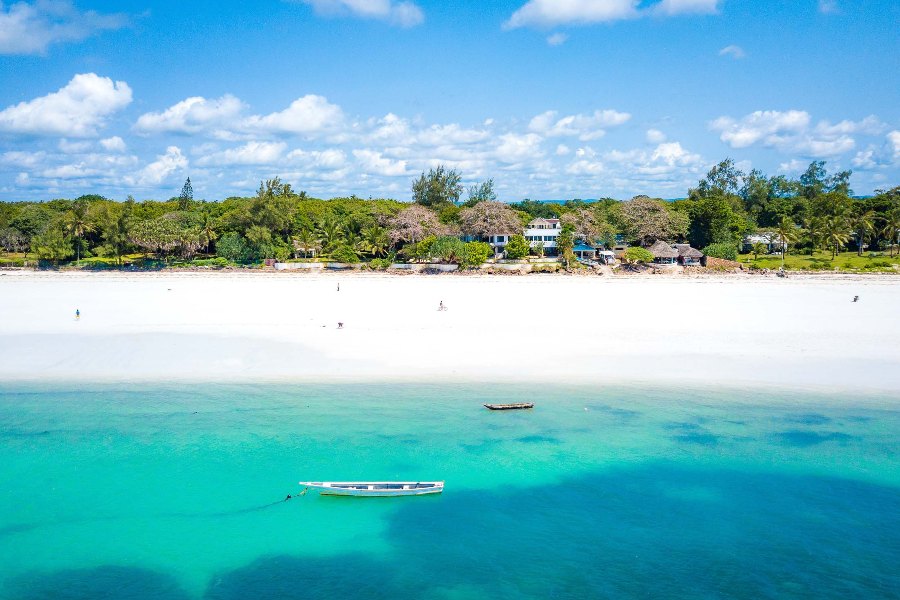
Quick answer: Tsavo National Park is Kenya's largest park, split into Tsavo East (vast dry plains and the famous red elephants) and Tsavo West (greener, more mountainous, with Mzima Springs). Namnyak Safaris offers Tsavo packages from 5 to 15 days, often combined with Amboseli or a Diani/Malindi beach extension.
Tsavo National Park is the largest national park in Kenya and one of the largest wildlife conservation areas in the world, covering nearly 22,000 km² of untouched wilderness. Located between Nairobi and the Kenyan Coast, Tsavo is divided into Tsavo East and Tsavo West National Parks, split by the Nairobi-Mombasa highway and railway line, offering some of the most diverse landscapes and wildlife experiences in Africa. A Tsavo safari is perfect for travelers seeking authentic wildlife encounters, fewer crowds, breathtaking scenery, and unforgettable game viewing — you can genuinely drive for hours here without seeing another vehicle.
Tsavo East: The Theatre of the Wild
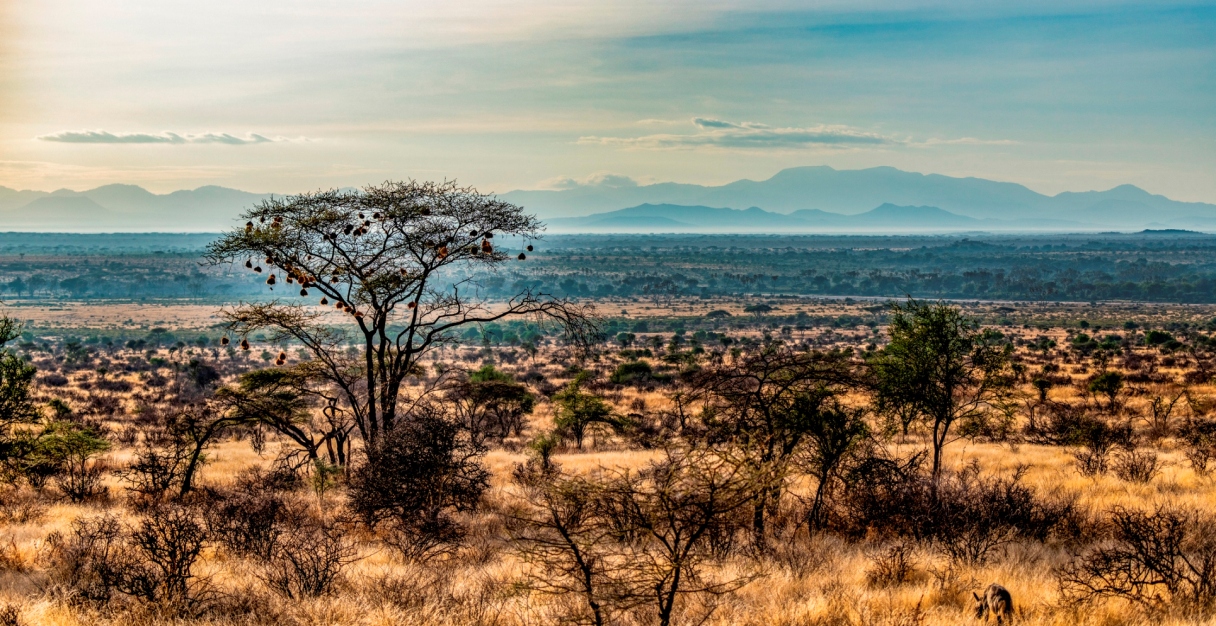
Tsavo East is the larger and more open section of Tsavo, known for its vast dry plains, savannah grasslands, and dramatic river scenery. Sparse vegetation means excellent visibility, so you can spot animals from far across the plains.
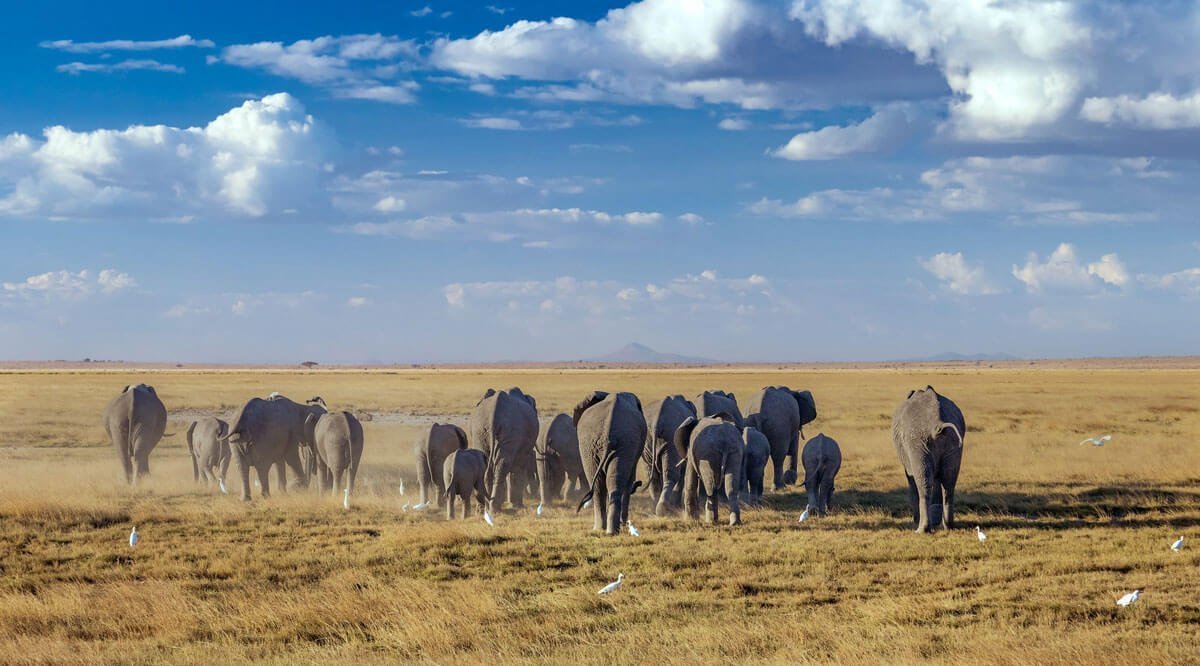
- Famous dust-red African elephants, colored by the park's iron-rich soil, with a population of over 10,000
- The Galana River, a major wildlife lifeline
- The Yatta Plateau, the world's longest lava flow
- Lugard Falls and crocodile pools
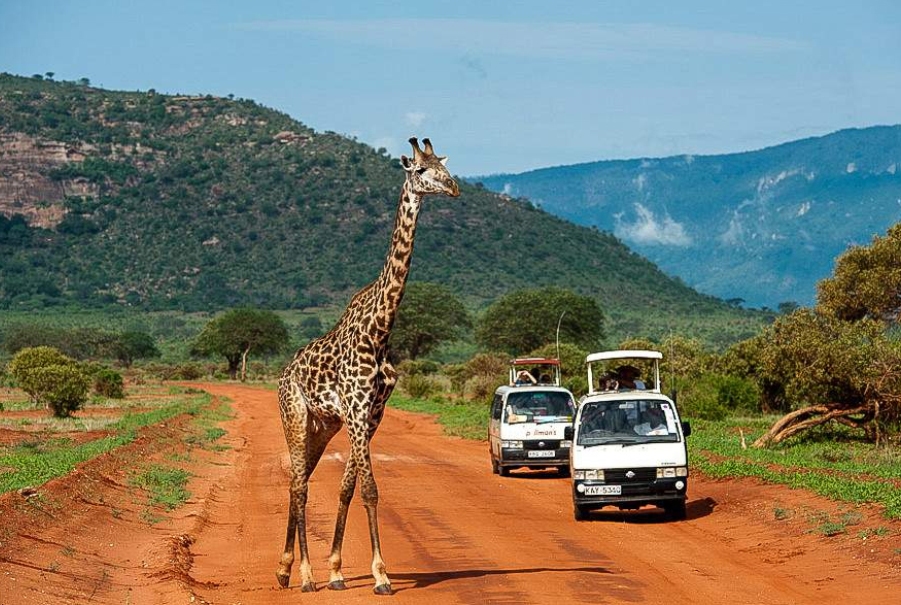
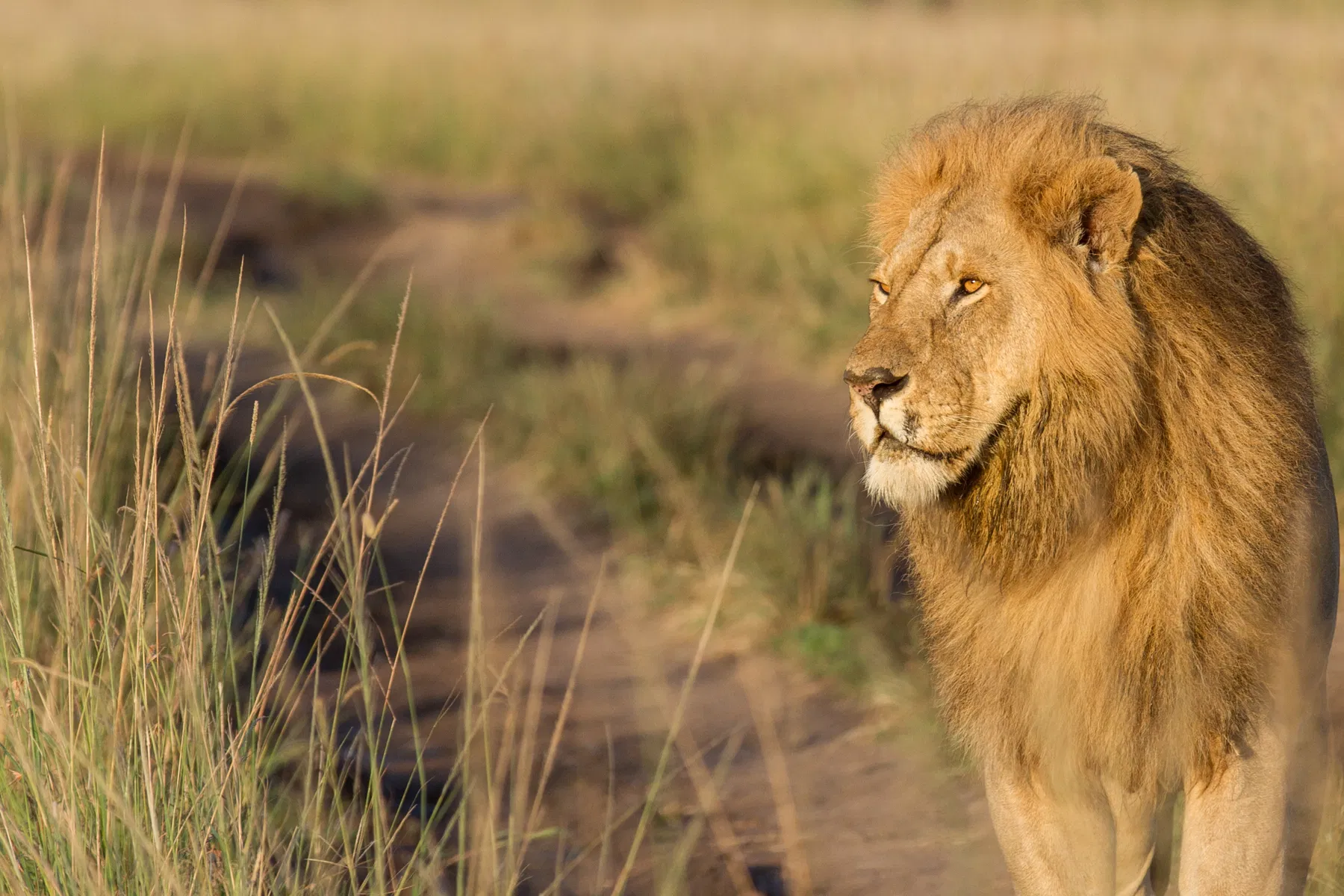
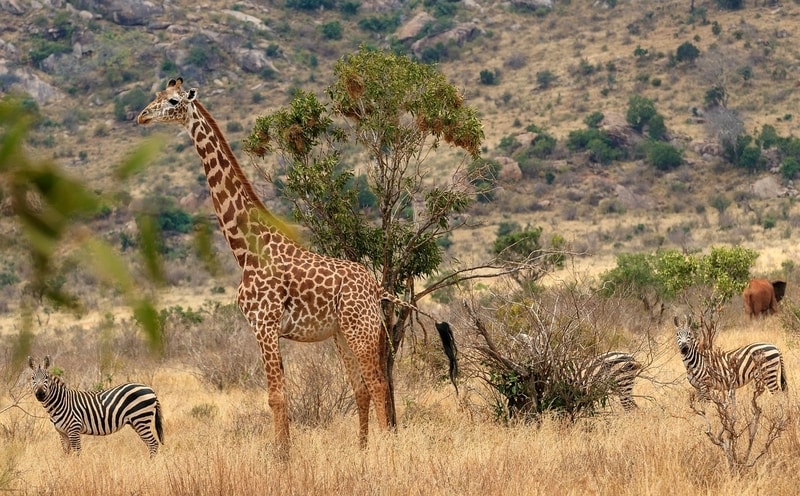
- Large herds of elephant, buffalo, zebra, giraffe, and lion — including descendants of the historic 'man-eating' lions of Tsavo
Tsavo West: Scenic, Wild & Diverse
Tsavo West is more mountainous, greener, and wetter, offering stunning landscapes and rich biodiversity.
- Crystal-clear Mzima Springs, with an underwater viewing chamber for hippos and fish
- Lake Jipe and seasonal swamps
- Shetani Lava Flows
- Excellent bird watching safaris among over 500 recorded species
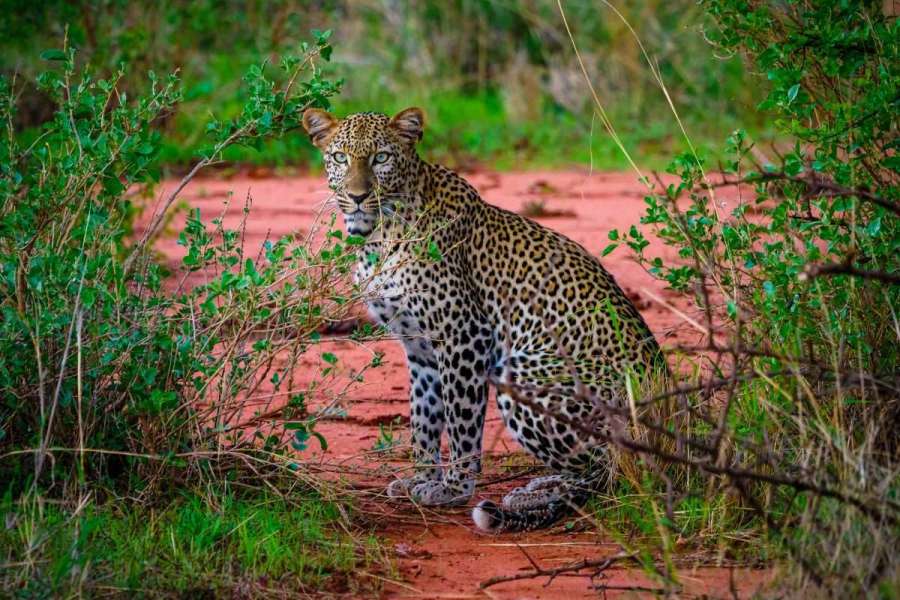
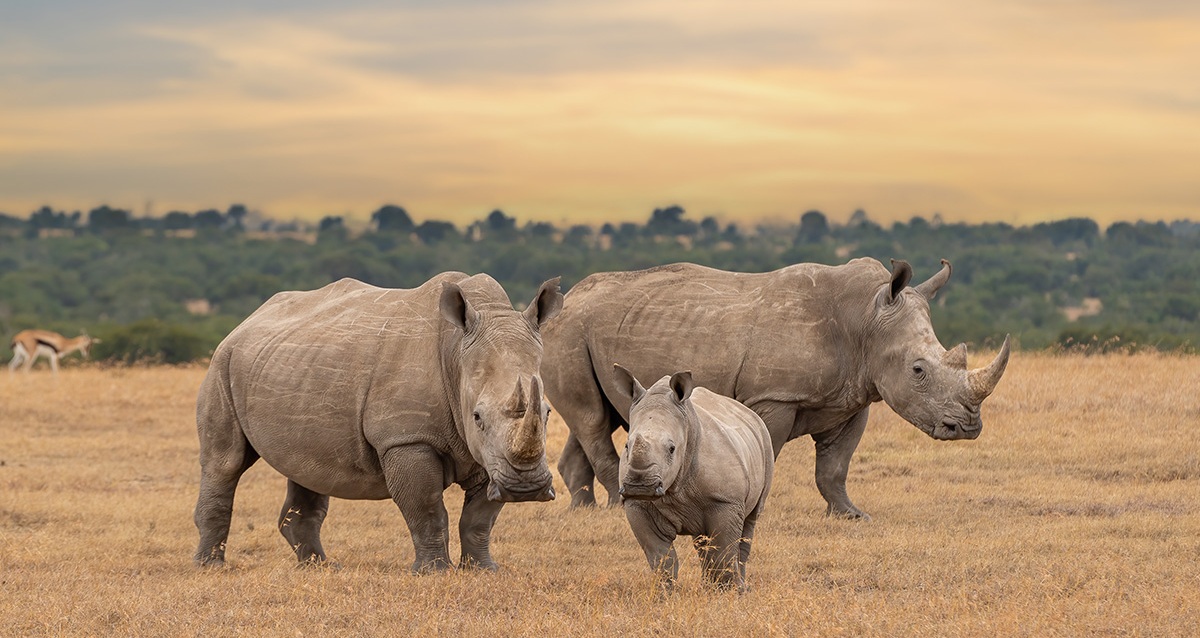
- Black rhino, elephant, hippo, leopard, buffalo, and Maasai lion
Getting to Tsavo
Tsavo sits directly along the Nairobi-Mombasa highway, making it one of the easiest large parks to reach by road from either city. Mtito Andei Gate, roughly the halfway point between Nairobi and Mombasa, sits about 240km from Nairobi (4-5 hours by road) and offers the most direct access to Tsavo East. Voi Gate, further along, sits closer to 333-340km from Nairobi. Scheduled flights are also available to airstrips serving both sections for travelers combining Tsavo with a coastal extension.
Tsavo Park Fees (2026)
The same fee structure applies to both Tsavo East and Tsavo West:
- Non-resident adults: USD 80 per person, per 24 hours
- Non-resident children: USD 40
- African citizens: USD 40 per adult
- East African citizens: KES 1,000 per adult
- Kenya residents: KES 1,350 per adult
- Vehicle fees apply separately by seating capacity, from KES 600 for small vehicles up to KES 5,000 for large coaches
Park fee rates change periodically, so always confirm the current figure with KWS or your operator before travel — the figures above reflect 2026 published rates at the time of writing.
Tsavo's Conservation Story
Tsavo's elephant population has a genuinely dramatic history — poaching crises in the 1970s and 1980s devastated numbers across the park, and recovery has been a slow, deliberate process led by Kenya Wildlife Service alongside organizations like the Tsavo Trust, which conducts regular aerial monitoring and anti-poaching patrols across this enormous, difficult-to-secure landscape. Today's population of over 10,000 elephants represents one of conservation's genuine long-term success stories in East Africa. The park is also home to the descendants of the notorious 'Tsavo man-eaters' — a pair of maneless male lions that killed railway workers during the construction of the Uganda Railway in 1898, an event famous enough to have inspired multiple films, and still referenced by guides today when explaining the unique, maneless characteristic of many Tsavo lions.
Where to Stay in Tsavo
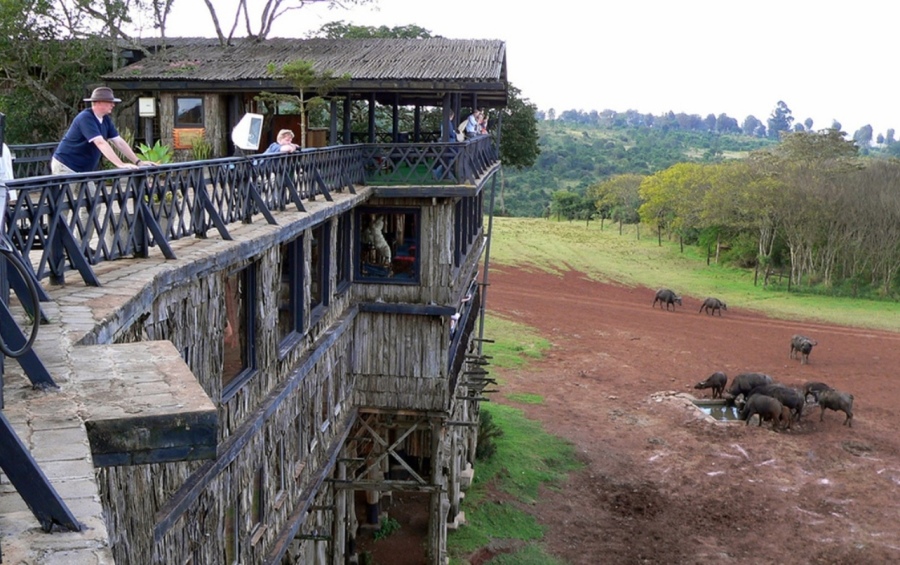
Accommodation ranges from public campsites to some of Kenya's most storied tented camps, with most lodging centrally located for optimal game viewing. Budget travelers can camp within the park; mid-range guests typically stay at tented camps inside or near the gates; luxury travelers have access to a handful of premium lodges with a more exclusive, less-trafficked feel given Tsavo's sheer size relative to visitor numbers.
A Sample Tsavo Itinerary
Day 1: Drive from Nairobi via Mtito Andei Gate, afternoon game drive in Tsavo East focused on the red elephants.
Day 2: Full day exploring the Yatta Plateau and Lugard Falls, with a stop at Aruba Dam for water-source game viewing.
Day 3: Cross into Tsavo West to visit Mzima Springs, then continue on toward Amboseli or the coast.
Best Time to Visit Tsavo
The best time for Tsavo safaris is during the dry seasons — June to October and January to February — when wildlife is easier to spot near water sources and roads are more accessible. Note that dust is a genuine feature of Tsavo East especially toward the end of the dry season, so pack accordingly.
Tsavo pairs especially well with a coastal extension — see our Kenya safari mistakes to avoid guide for tips on not overpacking a Tsavo-plus-beach itinerary.
Frequently Asked Questions
What is Tsavo National Park famous for?
Tsavo is famous for its 'red elephants,' colored by the park's red volcanic soil, along with the Yatta Plateau — the world's longest lava flow — and its vast, largely untouched wilderness.
How much does it cost to enter Tsavo National Park?
As of 2026, non-resident adults pay USD 80 per day and non-resident children pay USD 40, with the same rate applying to both Tsavo East and Tsavo West.
What is the difference between Tsavo East and Tsavo West?
Tsavo East is more open and dry, known for red elephants and the Galana River, while Tsavo West is greener and more mountainous, known for Mzima Springs and volcanic landscapes.
How do you get to Tsavo from Nairobi?
Tsavo sits along the Nairobi-Mombasa highway; Mtito Andei Gate is about 240km from Nairobi (4-5 hours by road), making it one of the more accessible large parks.
Is Tsavo good to combine with a beach holiday?
Yes — Tsavo sits between Nairobi and the coast, making it a natural stop en route to Diani, Watamu, or Malindi beach extensions.
How many days do you need for Tsavo?
2-3 days lets you cover the highlights of either Tsavo East or West, while 4-5 days allows a fuller exploration of both sections.